News from the MCFC
Fall 2019 Newsletter
We’ve been very busy this fall speaking, hosting and participating in numerous conferences and events. In October, we sent our General Manager, Mary Jane Rodger to the Land Trust Alliance Rally in Raleigh, North Carolina

A Biodiversity Assessment for the Medway Community Forest
From a desk in downtown Toronto, I write this as I am wrapping up the final few months of a Masters of Forest Conservation program at the University of Toronto, missing the Acadian forest and rural Nova Scotian lifestyle. It’s one thing to study what you love at a computer, in the classroom, on field trips and in labs, but another to be fully inundated day after day, watching the forest change with the season.
Harvest Blocks Open for Comment
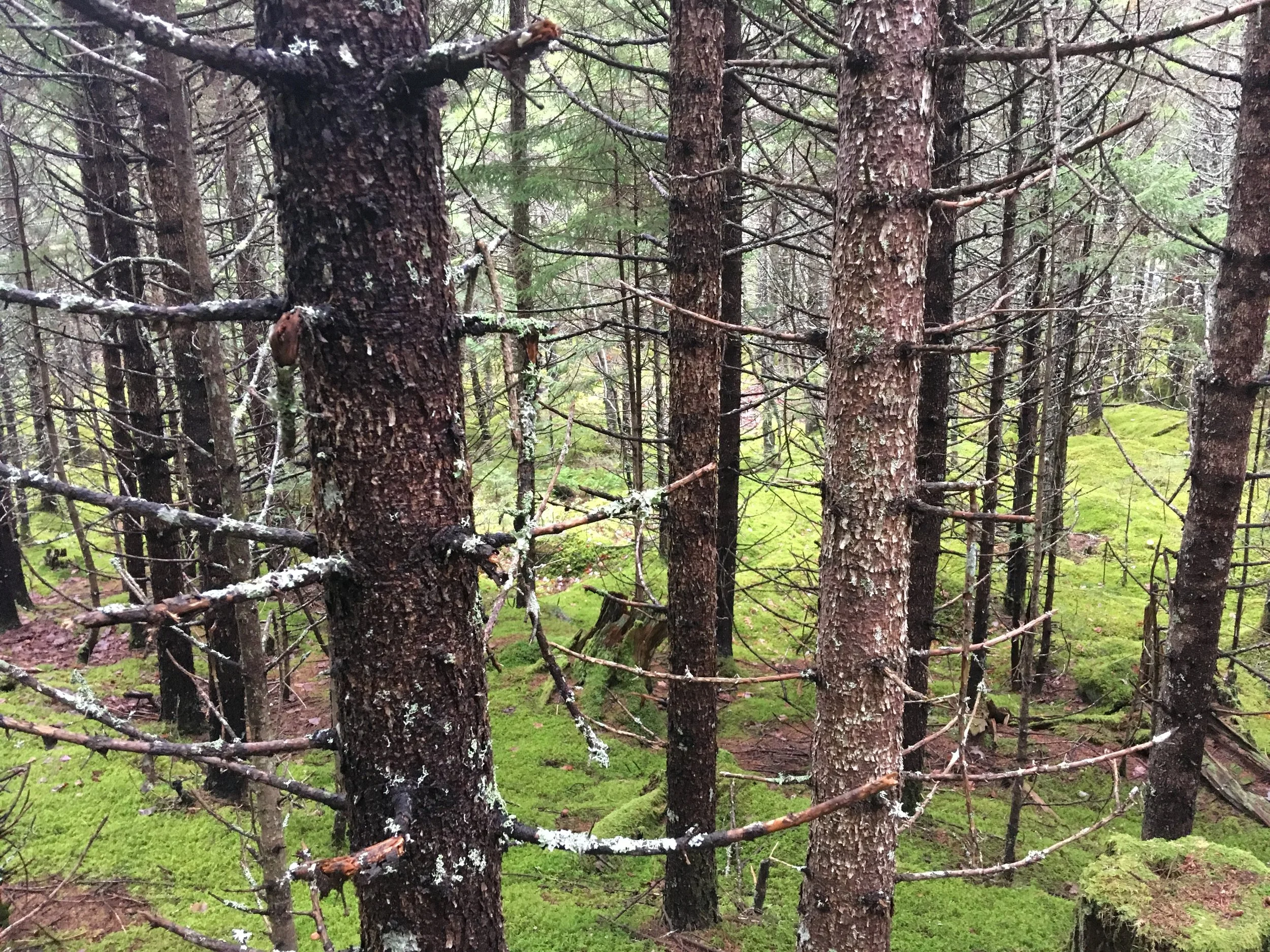
It’s been awhile, but we have new harvest blocks up for comment on the Province’s Harvest Plan Map Viewer (HPMV). They will be open for comment until November 30, and we encourage our members, and members of the community to provide feedback.
Meeting our Mentors
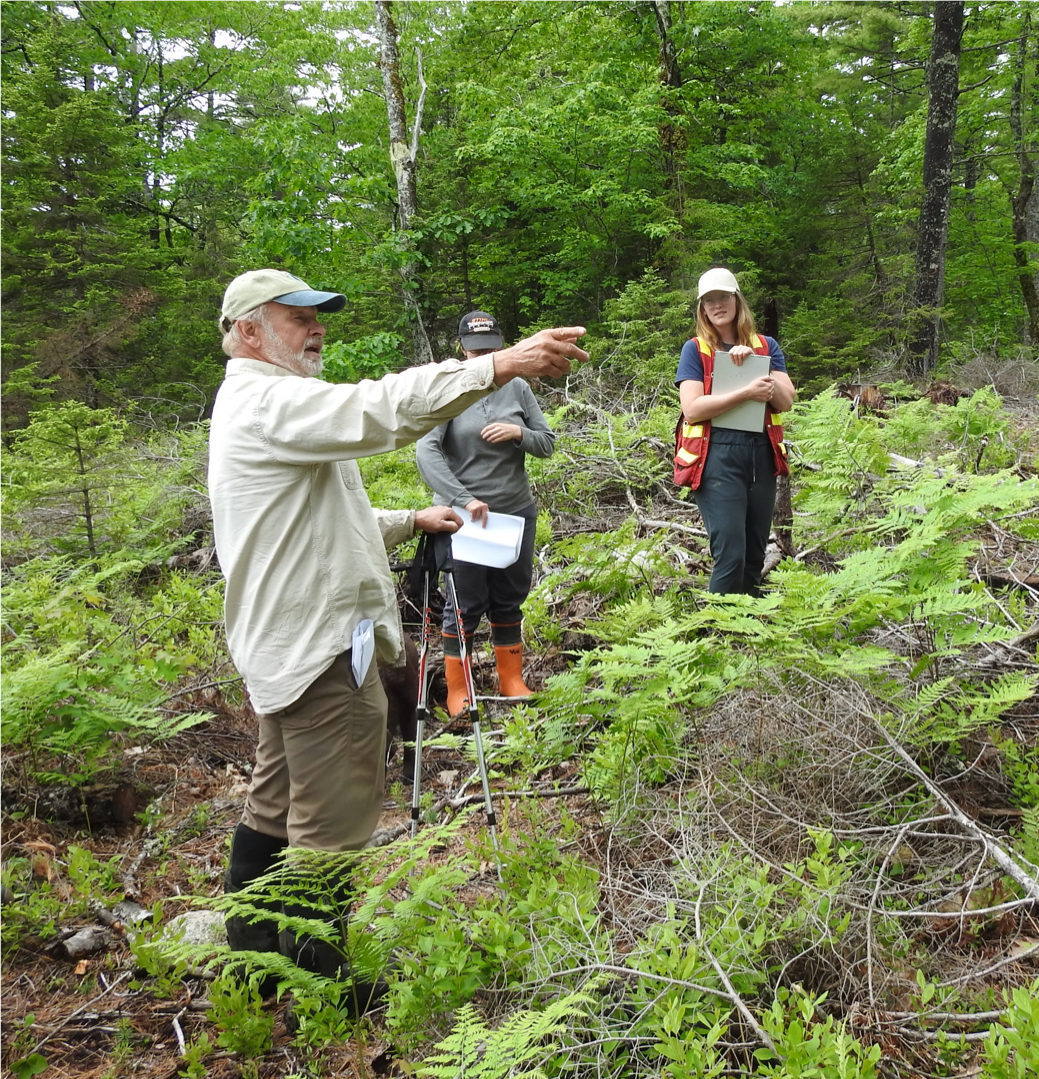
After departing university and plunging into a career, I find there are only so many chances to meet with those you might consider experts or ‘gurus’ in your field. Luckily, last month we had the opportunity to host a leader in Acadian forest silviculture, Dr. Robert Seymour.
A Silent Season for the MCFC
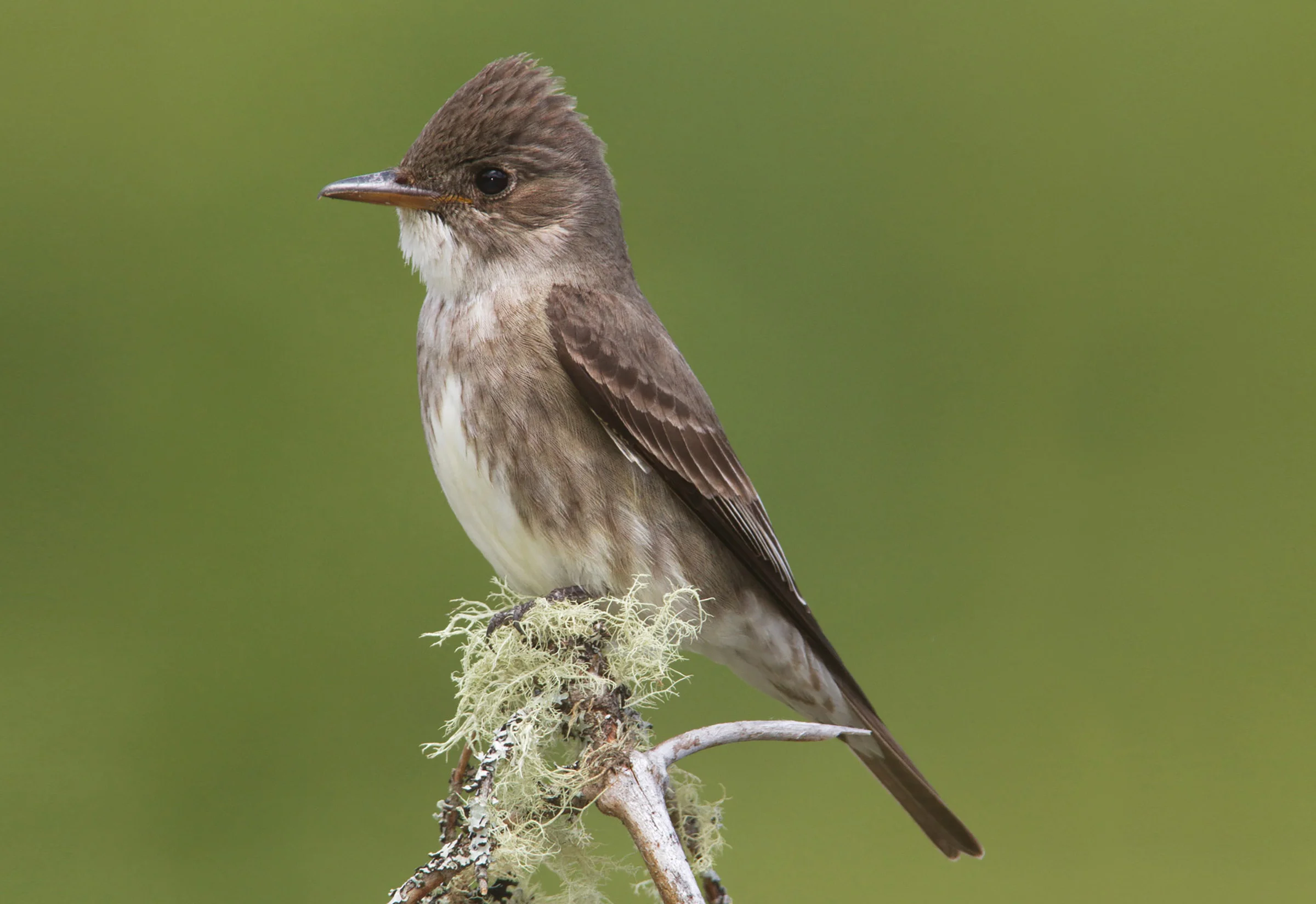
According to a study released by Avian Conservation and Ecology is estimated that between 616 thousand to 2.09 million nests are destroyed by industrial forest harvesting during bird breeding season in Canada per year.
Spring Newsletter 2019
Thank you to all our new members who responded to our membership drive last month. We’ll be sending out your certificates very shortly. If you’re not yet a member, you can join anytime on our website. Remember, the more members we have the more influential we can be in promoting ecological forestry for Nova Scotia.
Winter Newsletter 2019
We hope everyone had a happy and relaxing holiday and we wish you a productive start to 2019. This year has already been a busy one for us, as we build a preliminary 5-year business plan for the Department of Lands & Forestry. We're looking forward to what 2019 will bring, and see it as a year of big developments for the MCFC and forestry in the province overall.

Fall Newsletter 2018
With the fall now upon us, the MCFC is looking ahead to October and the beginning of the next chapter for our organization. As usual, this summer was quite busy, we hosted numerous events including a wild foods workshop, forest research tour, old growth forest tour and of course, our forest market and fair.
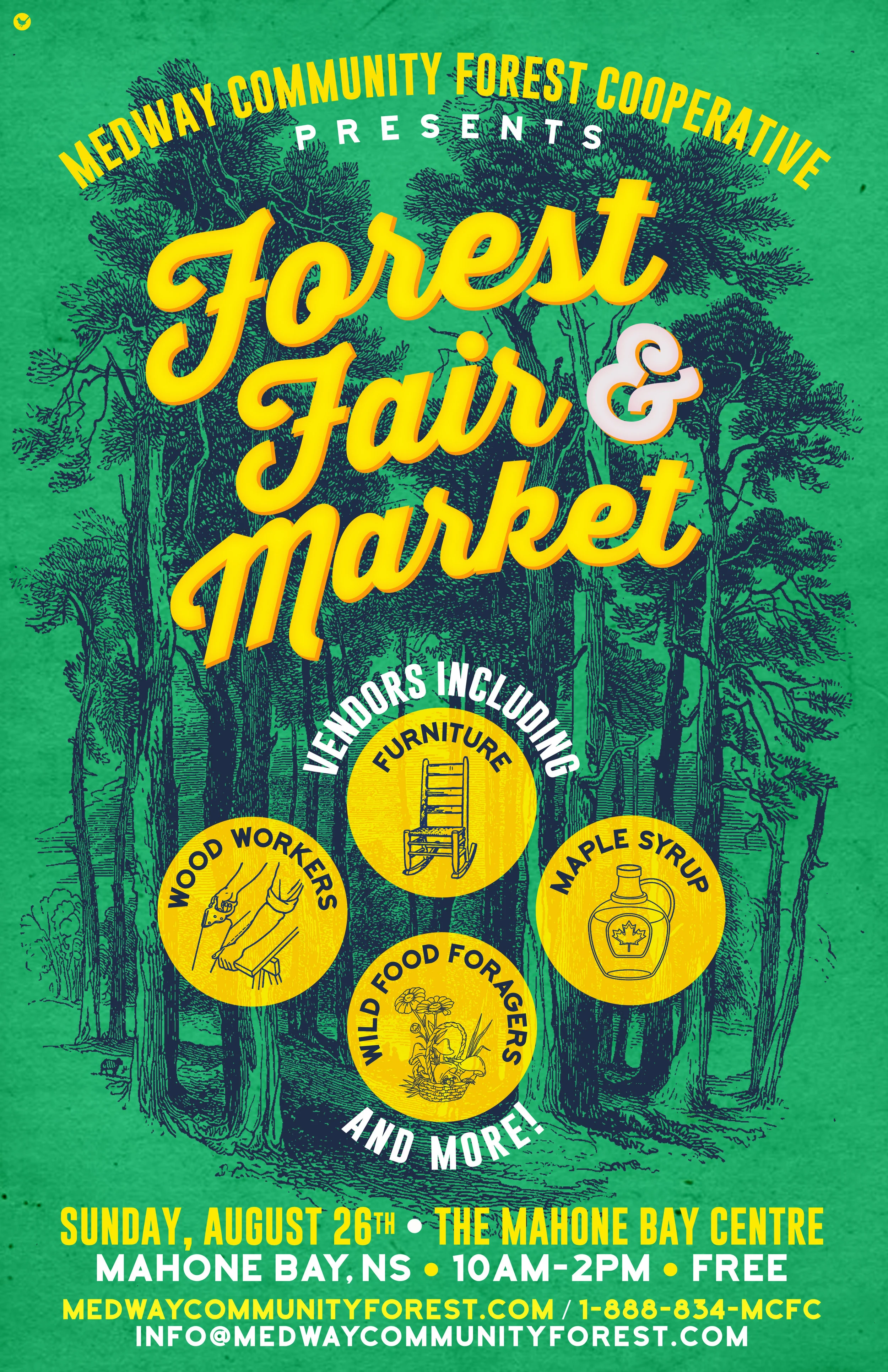
Another Summer of Learning and New Experiences with the MCFC
It’s crazy to think that my second summer working as a Summer Intern with the MCFC has come to a close! I am so thankful to have been given another season in (as I would call it) the best job in the world.
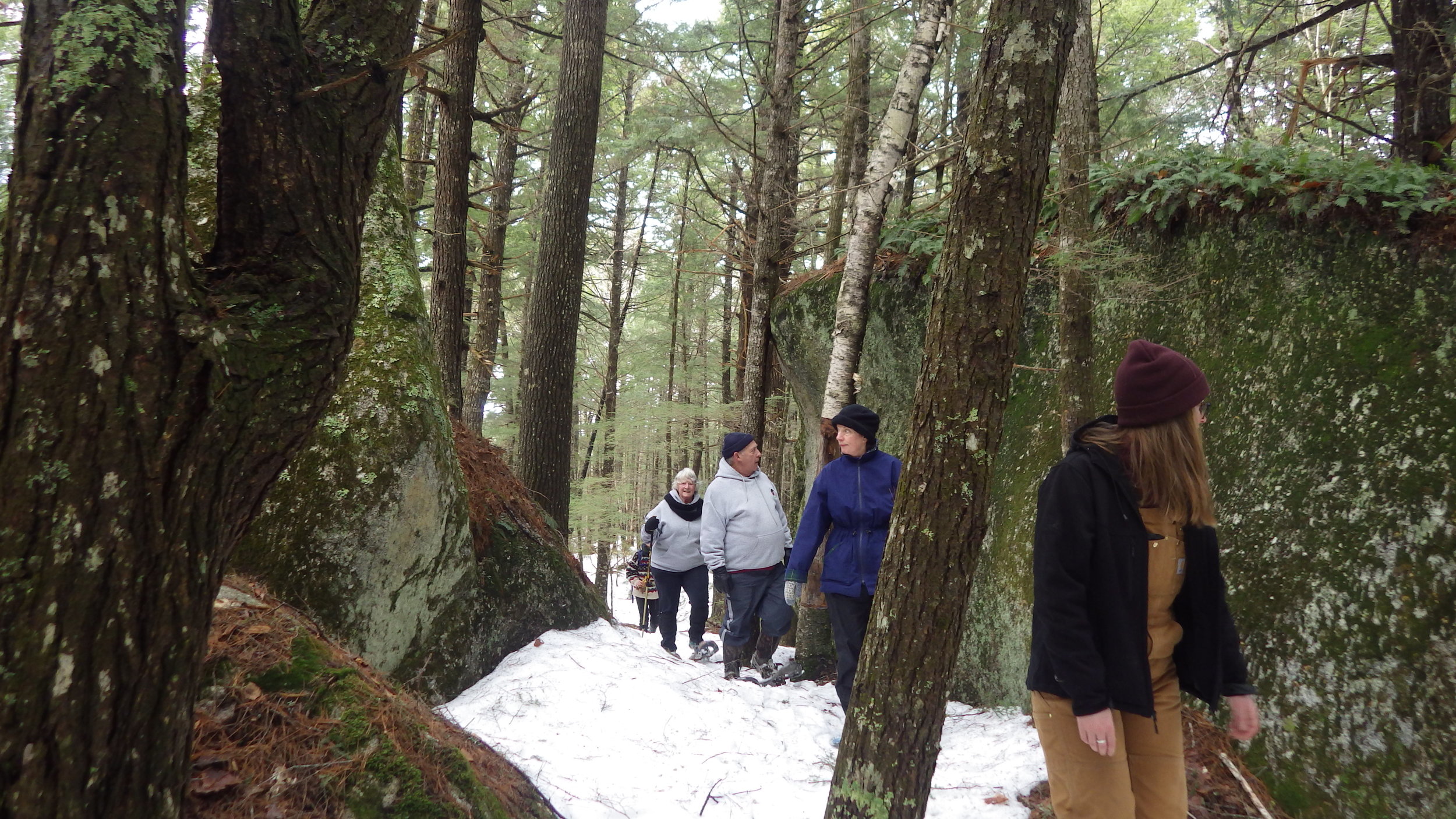
Visions of the MCFC: The Past, Present, and Future of our Community Forest from the Perspective of our Original Board Members
As many of you know the MCFC has now gone into a year long extension of our three-year lease on crown land as a pilot project with the Department of Lands and Forestry (previously DNR). Now that the Lahey Report has come out, we will be able to go into talks with the Department of Lands and Forestry about a long-term lease.
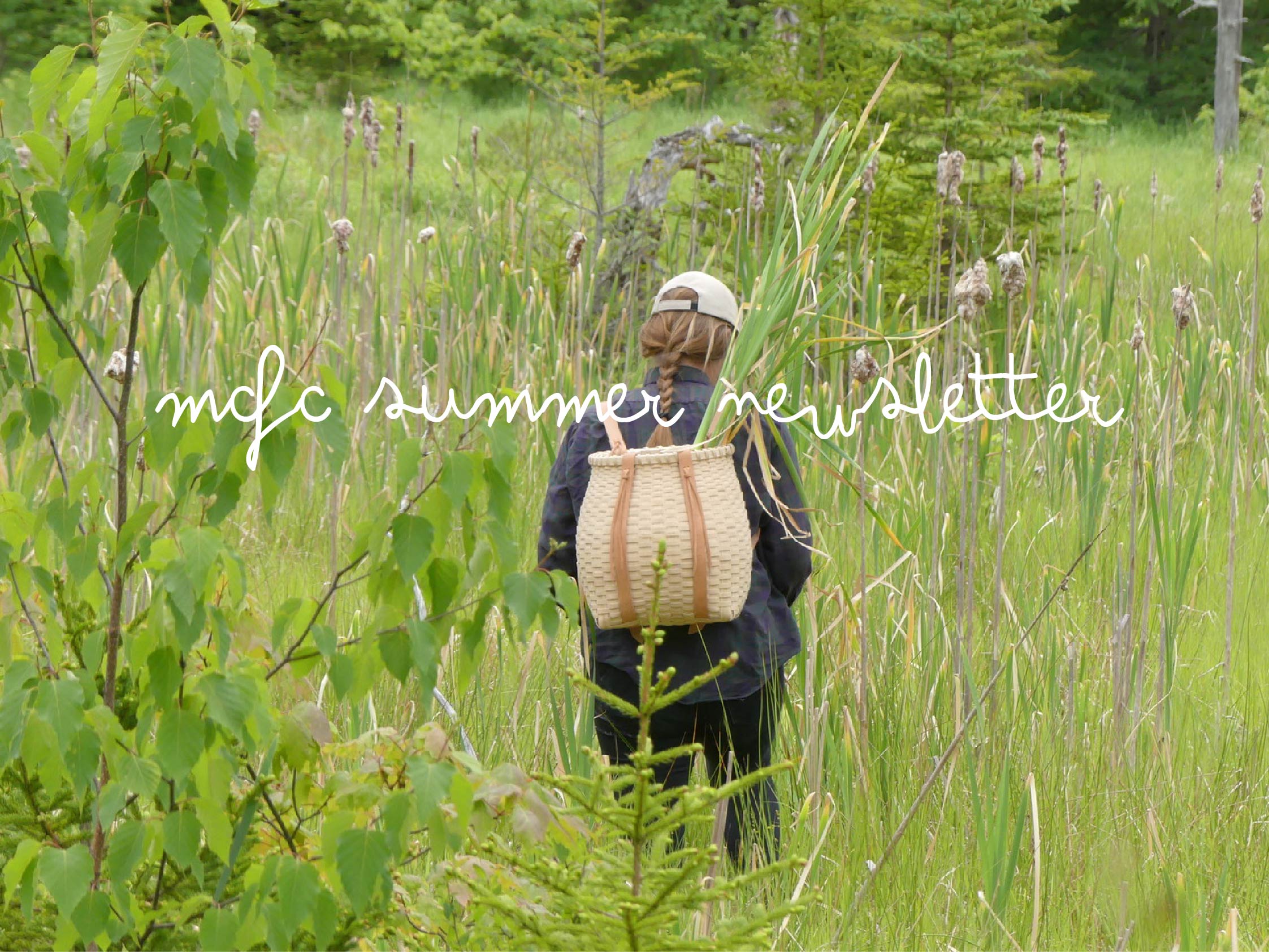
Summer Newsletter 2018
Happy summer to all our members and the extended MCFC network. Another spring has come and gone here at the MCFC and unfortunately, we seem to have lost track of time and missed our spring newsletter. Oops! We hope you will forgive us.
Crown and Carbon Report
This past winter the Medway Community Forest commissioned a report done by several Master’s students from the Dalhousie Management Without Borders class to determine an effective policy model for the sale and management of carbon credits from MCFC lands.
Winter Newsletter 2018
You may have noticed that on January 31st, the MCFC completed our pilot phase with the Nova Scotia Department of Natural Resources. As we discussed in our fall newsletter, we are anticipating building a 10-year agreement with DNR to continue to test innovative forestry businesses for Nova Scotia's rural communities.
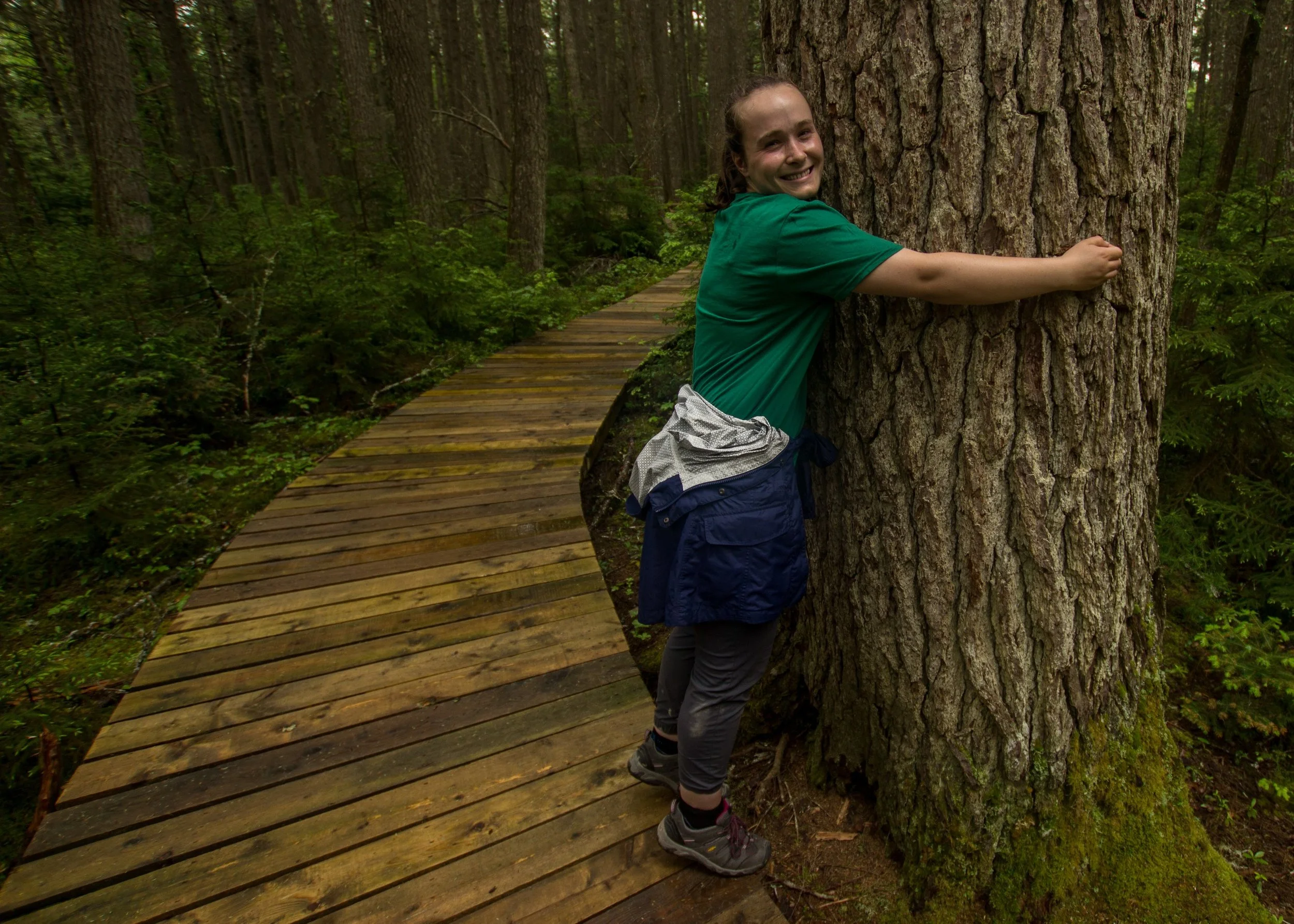
My Summer with the Trees
Working for the Medway Community Forest Co-op this summer was amazing, educational and fun. The time just flew by!
Summer Newsletter 2017
As the days get shorter and the leaves on the trees begin to change we look back on what was a productive and exciting summer for the MCFC. With the help of our Summer Intern Freya Clark, and volunteers from our Board of Directors and the Mersey Tobeatic Research Institute (MTRI) we put on two forest tours.
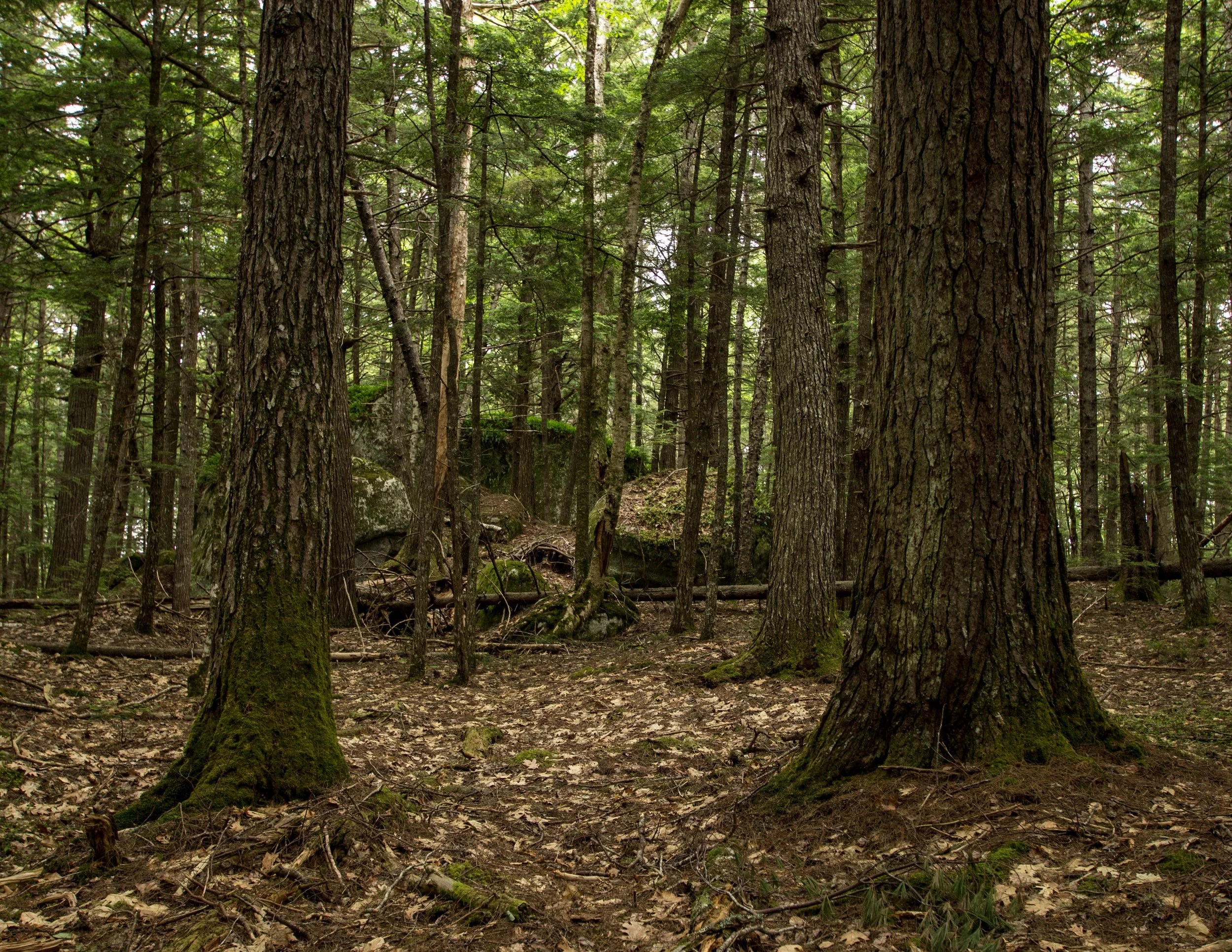
Whispering Leaves: How Trees Communicate
When you stand in a forest what do you see? The first thing you notice is the trees; either the stately old growth, scrubby new growth, or the regimented rows of a monoculture plantation. They stand individually and they don’t look like they are interconnected, but there is much more to the forest than easily meets the eye.
2017 Strategic Plan
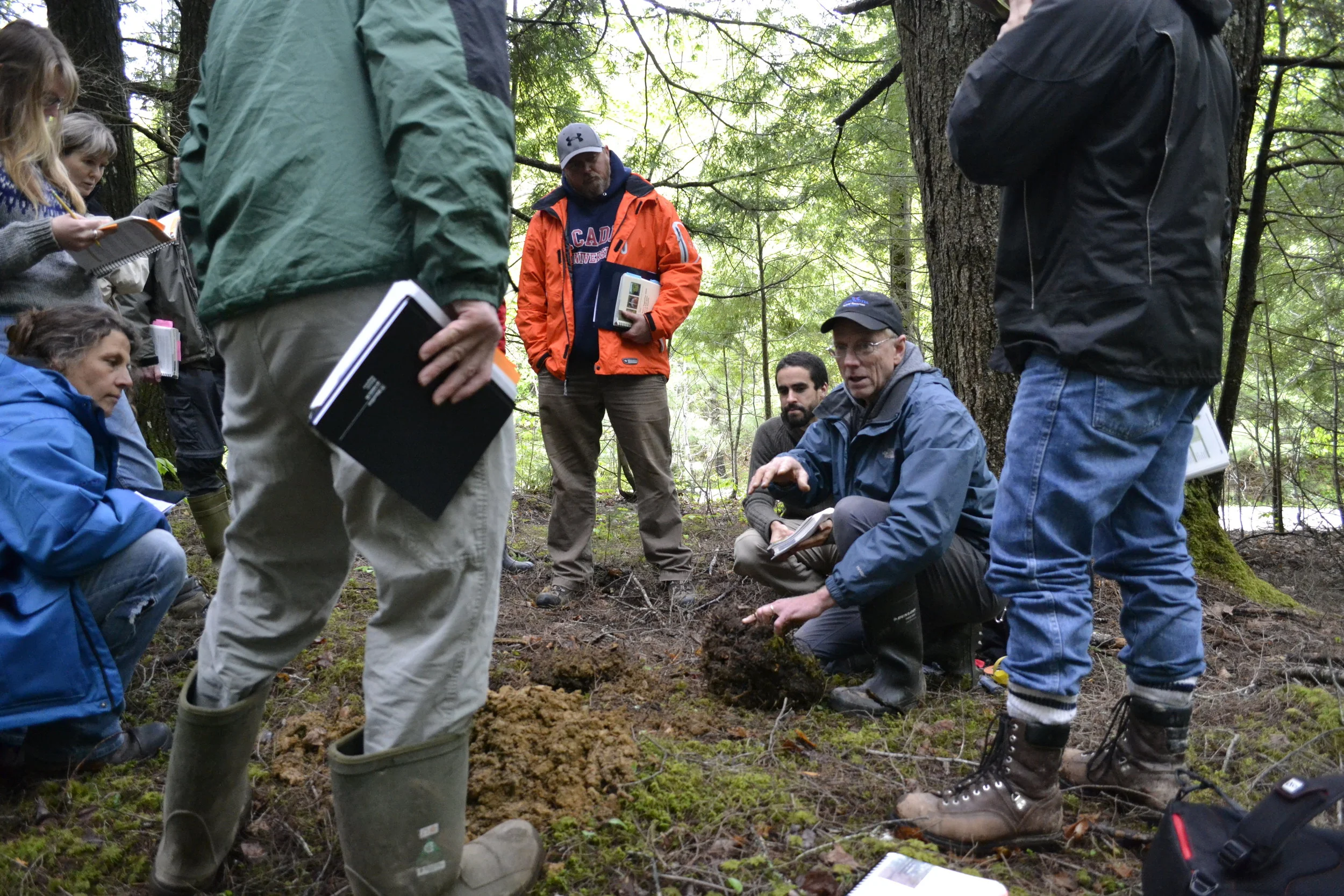
As might already know, the MCFC was originally established as a pilot project agreement with the Nova Scotia Department of Natural Resources in 2015. The terms of our agreement outlined a 3-year pilot phase, where the MCFC would meet specific evaluation criteria that would address the key areas in which the MCFC aimed to focus on through innovative, multi-value forest management
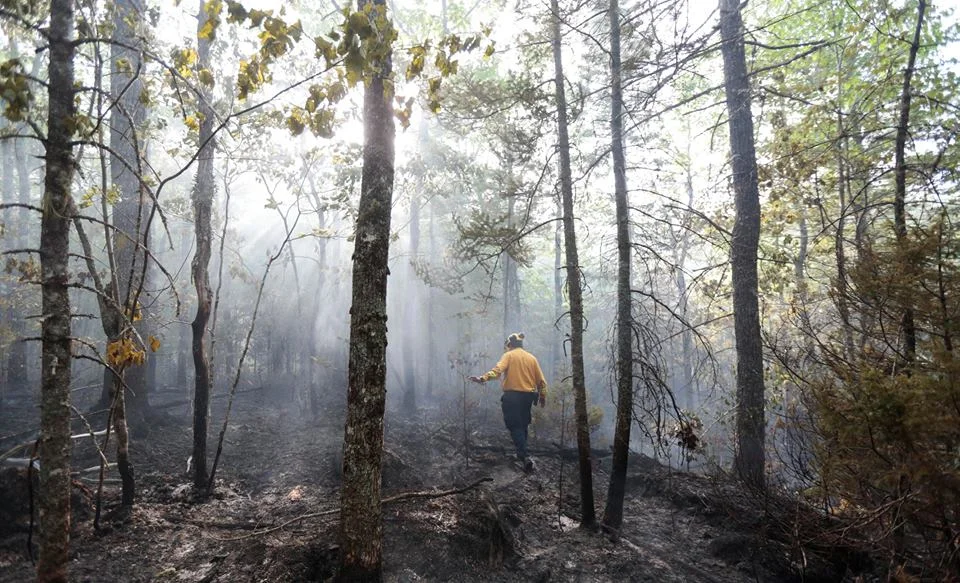
In Words and Photos - The Seven-Mile Lake Fire
The Seven-Mile Lake forest fire nearly completely stalled our forest operations for the summer. It’s only now that we’ve had the time to fully assess the damage and address our next steps for salvage, reclamation, and restoration.
Fall Newsletter 2016
As the fall colours recede to bare branches, we’ve been reflective on what was overall a challenging summer and fall for the MCFC. Between difficult markets, new business challenges, and a forest fire, the commitment and determination of our members and board has been outstanding.
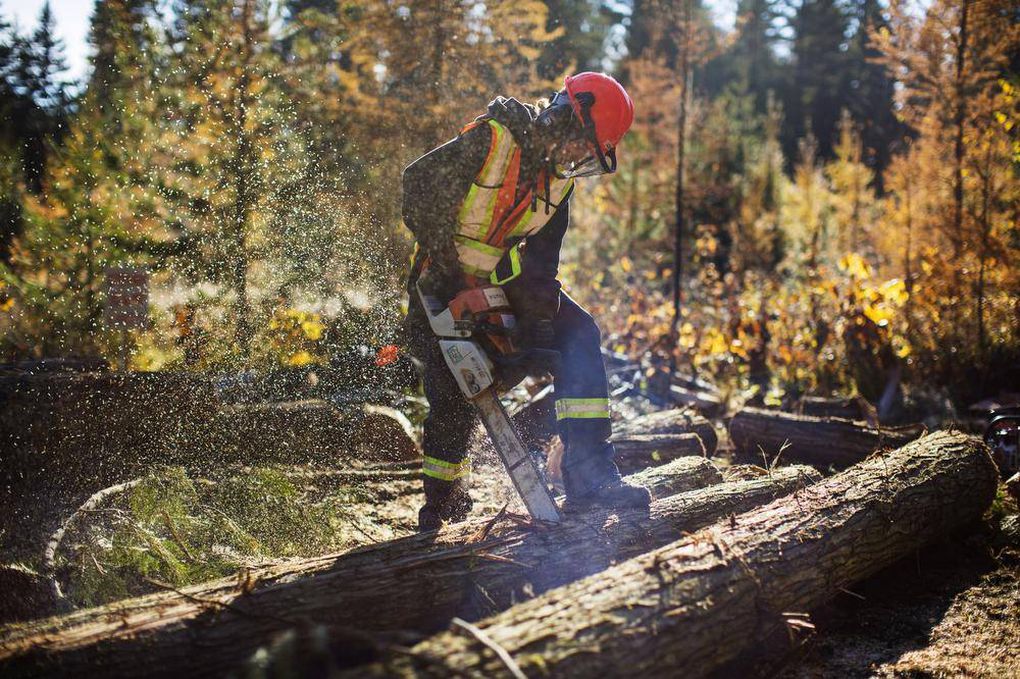
Lumberjacks, Loggersports, and North American Forestry
Canada is a country of forests – 348 million ha dominating the landscape across the country, excluding the prairies and tundra. Its no surprise that when Europeans wanted to colonize North America, the forests needed to be harvested, cleared, and processed, which presented a great challenge.